
Guest posting has been declared dead every year since about 2014, and every year it keeps quietly building some of the strongest links in my client campaigns. What actually died was the version most people were doing: mass-produced 600-word articles placed on sites that exist only to sell placements. The version that still works is slower, more selective and far more valuable, and it is the only version I will put a client’s money into.
This guide is the full process I use in 2026: how to pick sites that are worth writing for, how to pitch so editors say yes, what to write, how to place the link without getting it stripped, what it should cost, and how to tell a genuine publication from a link farm wearing a nice theme.
What guest posting is for (and what it is not for)
A guest post is an article you write for another site, published under your name, with one or two links back to your own pages. Done properly, it does three things at once: it earns a contextual backlink from a relevant domain, it puts your name in front of an audience that already cares about your topic, and it starts a relationship with an editor who can link to you again without being asked.
If you are still deciding where the budget should go, my comparison of niche edits vs guest post placements has the prices I pay for both and the split I use over a quarter.
What it is not for is volume. Twenty guest posts on sites nobody reads will do less for your rankings than two on sites your customers actually visit, and the twenty carry real risk. If a site publishes eight guest articles a day from eight different “marketing managers”, Google has already worked out what it is, and every link on it is discounted or worse.
If a publisher quotes you a number, run it through my free guest post price calculator first to see whether the price matches the site.
Guest posting vs link insertion: which one do you need?
These two tactics sit side by side in my off-page SEO work, and choosing the wrong one wastes money. A link insertion puts your link into an article that already ranks, so it is faster and cheaper when a good aged page exists. A guest post creates a brand-new page, which starts from zero authority but gives you full control of the context, the anchor and the message. Use guest posts when you need to build topical authority in a niche, when no existing article fits your link naturally, or when the relationship with the publication matters as much as the link.
How I find guest posting sites worth writing for
1. Start from where your customers already read
Before touching a tool, write down the ten publications, blogs and newsletters your ideal customer actually follows. Those are your first targets, whether or not they advertise a “write for us” page. The best guest posts I have placed were on sites that had never published one before, because I asked properly and offered something their readers needed.
2. Expand with search operators, then filter hard
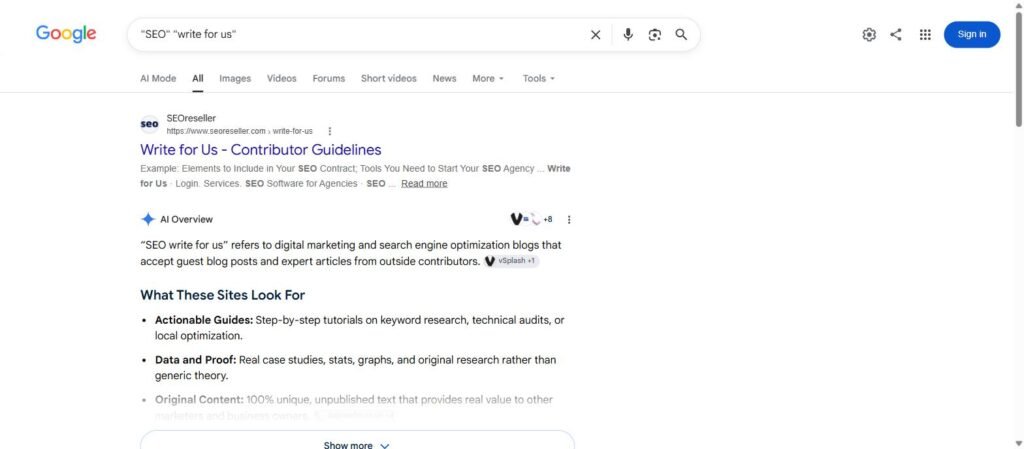
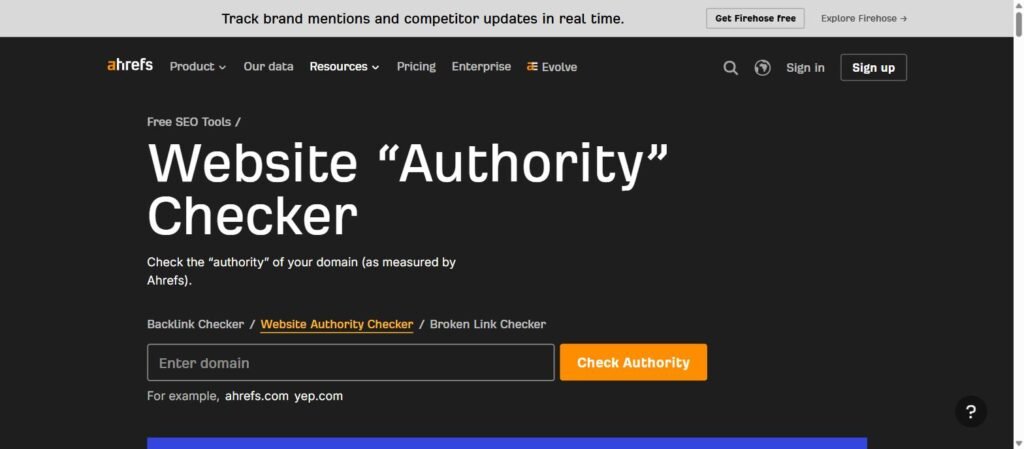
Searches like “your topic” + “write for us”, “your topic” + “guest post guidelines” and “your topic” + “contributor” will surface hundreds of options. Most are junk. Run every candidate through Ahrefs or Semrush and keep only sites with real organic traffic (I use 1,000 monthly visits as a floor), a stable or growing trend, and a Domain Rating that is earned from relevant links rather than inflated by spam.
3. Read what they publish and who links to it
Open five recent posts. Are they written by real staff or a rotating cast of strangers? Do they earn any links or shares of their own? Does the site cover one clear topic, or has it drifted into casinos, CBD and essay-writing services? A site whose own content nobody links to will not pass much to you either.
4. Find the editor, not the contact form
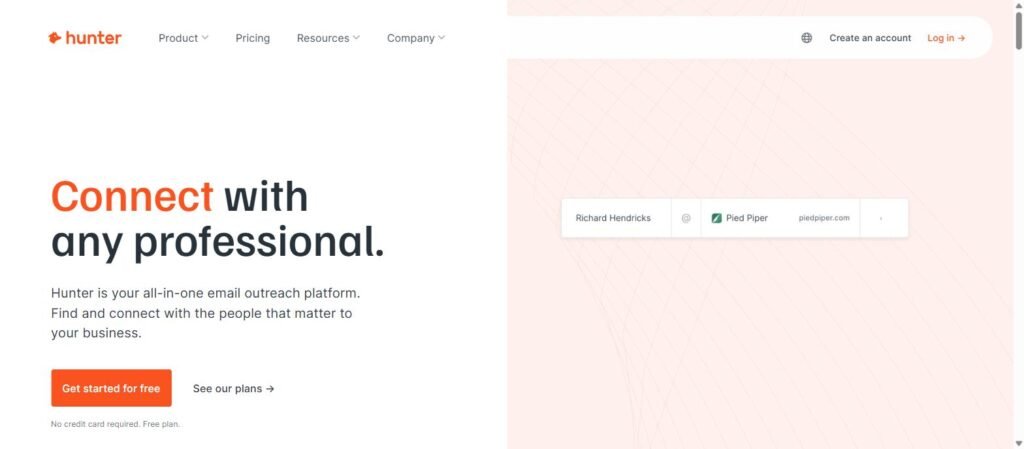
Pitches sent to a generic inbox mostly disappear. Find the content editor or the author who covers your topic, and email them directly. A named, relevant pitch converts several times better than a form submission, and it starts the relationship on the right footing.
How to pitch a guest post that gets accepted
Editors receive dozens of pitches a week, and almost all of them are the same template with the site name swapped in. Yours needs to prove two things in the first three lines: that you have actually read their site, and that you have something their readers cannot get elsewhere.
- Reference a specific recent article and say what you would add to the conversation, not just that you “enjoyed it”.
- Offer two or three concrete headlines, each solving a problem their audience has and none already covered on their site.
- Bring proof. Link one published piece of yours that shows you can write, and mention any original data, case study or client result you can include.
- Keep it under 150 words. The pitch is a door, not the article.
- Do not mention links. If the site accepts guest posts, they know why you are writing. Raising it in the pitch marks you as a link builder rather than a contributor.
Writing the post so the link survives
The article has to be good enough that the editor would publish it without the link. That means their audience, their tone, their formatting, and a level of depth that at least matches their best content. Aim for 1,200 to 1,800 words with subheadings, a clear structure and at least one thing a reader can act on today.
The goal is a link in the body of the article, not the bio. I explain why in my guide to contextual backlinks and where they beat other link types.
Then place one contextual link to your target page inside the body, in a sentence where it genuinely helps, with a natural partial-match or branded anchor. One more link to a genuinely useful third-party source makes the piece look editorial rather than promotional. The author bio link is a bonus, not the goal: bio links pass far less than a link in the body copy. And never stuff three links to your own site into one piece. Editors strip them, and the ones that do not are running link farms.
What guest posts cost in 2026
Genuine editorial placements on sites that accept contributors are free, and they take time: expect a 5 to 10 percent acceptance rate on cold pitches to good sites. Paid placements on real publications with real traffic typically run 150 to 600 dollars for DR 30 to 60 in general niches, plus your writing time, and considerably more in finance, health, legal and SaaS. If a site offers a DR 60 guest post for 40 dollars, or sells you a “package” of twenty placements, you are looking at a link network and you should walk away.
The fee is only part of the bill, though. I broke down the full guest post cost, with writing, outreach hours and a real client invoice, in a separate post.
Red flags: guest posting sites that will hurt your rankings
- Every author is different and none of them has a real profile anywhere else.
- The site publishes on every topic imaginable: crypto on Monday, dog food on Tuesday, plumbing on Wednesday.
- A public price list for “sponsored posts” or “guest post packages”.
- Organic traffic that has collapsed in the last twelve months.
- Articles full of outbound links to unrelated businesses, often with exact-match anchors.
- The site appears on lists that link sellers circulate in spreadsheets. If it is easy to buy, it has already been bought hundreds of times.
Plenty of sites now mark every outbound guest post link as nofollow or sponsored, which is not an automatic reason to pull out. I break down when those placements are still worth it in do nofollow links help SEO.
After publication: the checks most people skip
When the post goes live, open the source and confirm the link is present, do-follow, pointing to the correct URL and not wrapped in a sponsored or nofollow attribute you did not agree to. Check the page is indexed a week later. Then re-check at 30 and 90 days, because links get edited out, redirected or quietly switched to nofollow more often than anyone admits. My guide on how to check SEO backlinks covers the exact process. Finally, make sure the page you are pointing at deserves the link: strong on-page SEO on the target page is what turns a good backlink into a ranking.
Frequently asked questions about guest posting
Is guest posting still effective for SEO in 2026?
Yes, when it is done selectively on relevant sites with real readers. What no longer works is volume guest posting on sites built to sell placements. Those links are ignored at best and can trigger a manual action at worst.
Is paying for a guest post against Google’s guidelines?
Paying for links that pass ranking signals is against Google’s spam policies. In practice, the risk concentrates on obvious, low-quality, high-volume placements. Whatever you do, keep quality high, keep anchors natural, and never make paid placements the whole of your link profile.
How many guest posts do I need to rank?
Fewer than you think. Look at the referring domains of the pages ranking in the top five for your keyword and close the gap with a mix of guest posts, link insertions and earned links. For most mid-competition commercial pages that is five to fifteen strong links over three to six months.
Should the link be in the body or the author bio?
The body, always. A contextual link inside the content passes far more relevance and authority than a bio link. Take the bio link as well if it is offered, but never accept a placement where the bio is the only option.
Can I republish my guest post on my own blog?
Not as-is. The publishing site owns the first-published version and duplicating it hurts you both. If you want the topic on your own site, write a different article that goes deeper and link to the guest post as a source.
How long does a guest post take to affect rankings?
Usually six to twelve weeks, because the new page needs to be indexed and earn some authority of its own before it passes much to you. That is slower than a link insertion, which is why I use both in most campaigns.
Next step
Write down the five publications your customers actually read, find the editor who covers your topic at each one, and send five personal pitches this week with two headline ideas apiece. One yes from that list will outperform twenty placements from a spreadsheet. If you would rather have the outreach, writing and vetting handled as part of a full link building campaign, have a look at my SEO services or get in touch.