
Off-page SEO is everything that builds your site’s authority somewhere other than the page itself: backlinks, brand mentions, digital PR, and the trust signals Google reads before it decides how much to rank you. I’ve built link profiles for client sites across a dozen niches, and the pattern is always the same — the sites that rank aren’t the ones with the most links, they’re the ones with the most relevant links. This guide covers the tactics that have actually moved rankings for real client pages, in the order I’d tackle them.
What off-page SEO covers (and what it doesn’t)
Off-page SEO covers anything that signals authority and trust from outside your own website: backlinks from other sites, unlinked brand mentions, digital PR coverage, social proof, and third-party reviews. It does not cover your title tags, content quality, or internal links — that is on-page SEO. It also doesn’t cover crawlability, indexing or Core Web Vitals, which fall under technical SEO.
Backlinks remain one of Google’s top ranking factors, and nothing in client data contradicts that. But the game changed years ago: quantity stopped working, and today one link from a site your audience actually trusts outperforms fifty links from directories nobody visits.
The off-page SEO tactics that actually work, in order of impact
Same format as the on-page checklist: time to do, and the lift I’ve actually seen. Off-page work is slower to pay off than on-page changes — expect weeks, not days.
| Tactic | Time to do | Typical lift |
| 1. Fix broken link opportunities | 2–3 hours/week | Medium–high |
| 2. Earn links with original data or tools | 1–4 weeks | Highest |
| 3. Reclaim unlinked brand mentions | 1 hour/week | Medium |
| 4. Guest post on relevant sites | 3–5 hours per post | Medium–high |
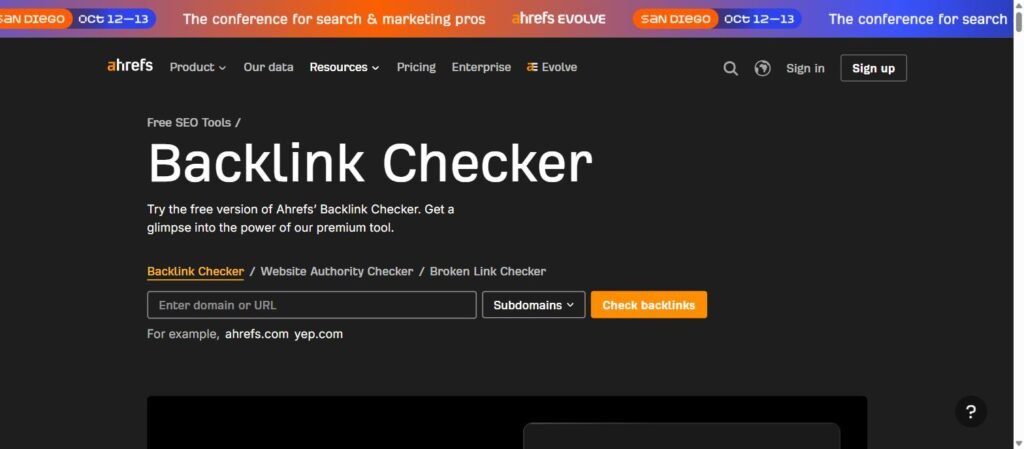
| 5. Run competitor backlink gap analysis | 2 hours | Medium |
| 6. Pitch journalists (digital PR) | 2 hours/week ongoing | High |
| 7. Get listed in real, niche directories | 2–3 hours | Low–medium |
| 8. Build genuine relationships in your niche | Ongoing | Medium (compounds) |
1. Fix broken link opportunities
Find dead pages on authoritative sites in your niche using a broken-link checker, then reach out offering your page as the replacement. This out-converts cold outreach because you’re solving a problem for the site owner, not asking for a favour. Send five personalised pitches a week rather than fifty templated ones — reply rates on generic mail-merge outreach sit under 2% in my experience.
2. Earn links with original data or tools
Nobody links to another “ultimate guide.” They link to something they can’t get anywhere else: an original survey, a free calculator, a dataset you pulled and visualised yourself. One client’s simple ROI calculator earned over 30 organic backlinks in four months with zero outreach — people found it through search and linked to it unprompted. This is the highest-effort, highest-return tactic on this list.
3. Reclaim unlinked brand mentions
Set up a free alert or a paid mention tracker for your brand name and founder’s name. When a site mentions you without linking, email them — most will add the link within a day because you’re asking for something that costs them nothing. Running this monthly for an established brand typically recovers several links a month with almost no effort.
4. Guest post on relevant sites
Guest posting still works when you do it for relevance, not volume. Target sites your actual customers read, write something that wouldn’t fit on your own blog, and never accept a “guest post package” that guarantees placement on fifty sites for a flat fee — that’s a link farm, and Google’s spam updates have gutted the sites that sell them. One well-placed guest post on a site with real traffic beats twenty placed on low-quality networks.
5. Run competitor backlink gap analysis
Pull the backlink profiles of your top three ranking competitors and look for domains linking to all three but not you. These sites have already shown they’ll link to something like your page — that’s the warmest outreach list you’ll ever build.
6. Pitch journalists (digital PR)
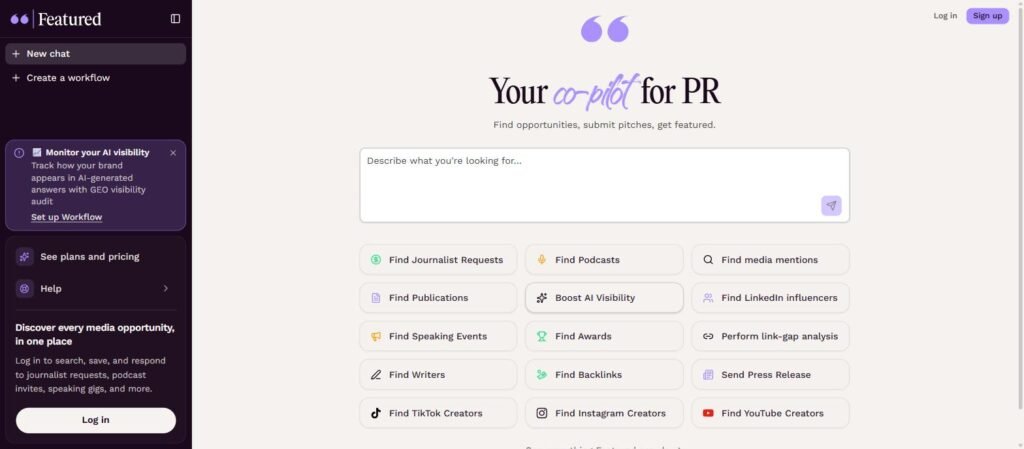
Sign up for a journalist-request platform and respond to queries in your niche within the first hour they’re posted — journalists work on deadlines and use the first good quote they get. A single feature in a mid-size publication often carries more authority than a hundred guest posts, and it compounds: other sites cite the article and link to you as the original source.
7. Get listed in real, niche directories
Skip generic directories nobody uses. Industry-specific directories, local chambers of commerce, and tool-listing sites still pass real value because they’re curated and get their own traffic. If a directory will list anything for a fee with no review process, it’s not worth your time.
8. Build genuine relationships in your niche
Comment thoughtfully on industry posts, contribute to relevant communities and forums, and co-promote with businesses that share your audience but aren’t direct competitors. None of this hands you a link directly, but it’s where guest post invites, podcast requests and PR opportunities actually come from. Treat it as the foundation the other seven tactics sit on top of.
Off-page SEO mistakes that can get you penalised
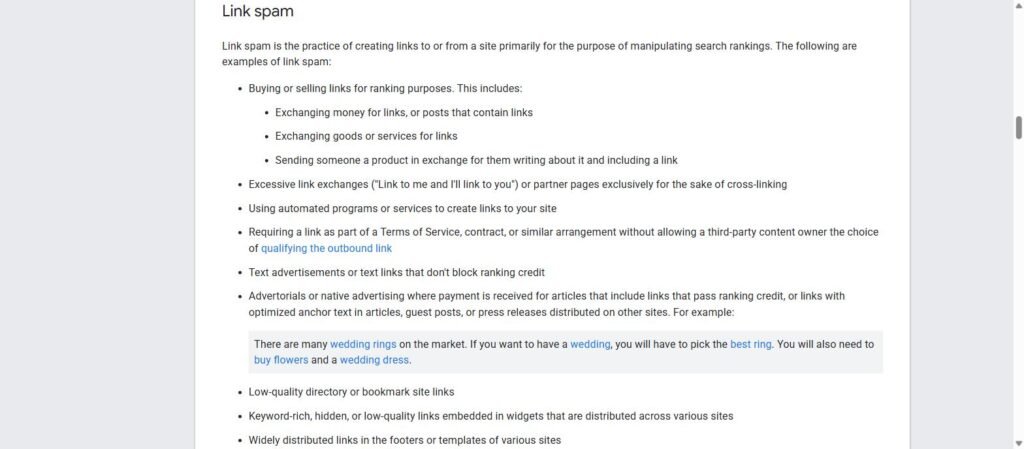
- Buying links in bulk. Google’s spam systems are very good at spotting footprint patterns in paid link networks. A manual action can wipe out years of organic gains overnight.
- Over-optimised anchor text. If a large share of your backlinks use the exact same keyword phrase, that looks manufactured. Real link profiles are messy — mostly branded and naked-URL anchors, with a small percentage of exact-match.
- Chasing a high authority score instead of relevance. A high-authority link from an unrelated site often does less than a lower-authority link from a site your actual customers read. Google increasingly weighs topical relevance over raw authority scores.
On-page SEO vs off-page SEO: which comes first?
On-page, every time. I cover this in more detail in the on-page SEO checklist, but the short version: sending authority to a page that doesn’t match search intent or has a weak title tag is wasted effort. Fix the page first, then build links to it.
Frequently asked questions about off-page SEO
Is off-page SEO just link building?
No. Link building is the biggest part of it, but off-page SEO also includes brand mentions, digital PR, social proof and reviews — anything happening away from your own site that signals trust to search engines and to people.
How many backlinks do I need to rank?
There’s no fixed number. What matters is relevance and authority relative to what’s already ranking. Check the backlink profiles of the current top three results for your target keyword — that tells you the bar you actually need to clear.
How long does off-page SEO take to show results?
Longer than on-page work. Expect the first meaningful ranking movement from a solid link four to eight weeks after it goes live and gets crawled, and compounding effects to build over three to six months.
Are guest posts still worth doing in 2026?
Yes, if they’re on relevant sites with real traffic and you’re writing genuinely useful content. They stopped working when treated as a volume game bought in bulk from link-selling networks.
Should I disavow bad backlinks?
Only if you’ve received a manual action or can see a clear negative SEO attack. For most sites, Google’s algorithms already discount spammy links automatically, and disavowing everything that looks slightly off does more harm than good.
Do social media links help SEO?
Not directly — most social platforms use nofollow links, so they don’t pass authority in the traditional sense. But social visibility drives the traffic and mentions that lead to real, linkable coverage.
Next step
Pick one tactic from this list that fits how much time you actually have each week — broken link building or mention reclamation if you’re short on time, original data if you have more runway. Off-page SEO compounds, so consistency over months beats a single big push. If you’d rather have this handled for you end-to-end, that’s exactly what my SEO services cover.