
An unlinked brand mention is exactly what it sounds like: another website has written your brand name, product name or founder’s name, and has not linked to you. It is the easiest backlink you will ever earn, because the hardest part of link building, getting someone to care enough to mention you, has already happened. All you have to do is ask for the link. In my client work this is the first thing I set up on any brand that has been around for more than a year, and it routinely recovers a handful of relevant links every month with almost no effort.
This guide covers how to find unlinked mentions with free and paid tools, how to decide which ones are worth chasing, exactly what to say when you ask, and how to turn it into a monthly habit rather than a one-off cleanup.
Why unlinked brand mentions are the best links you are not building
- The relevance is already there. Someone wrote about you because you were relevant to their article. The link will sit in a naturally relevant paragraph, which is exactly what Google wants to see.
- The conversion rate is high. Cold outreach for links converts at 3 to 8 percent on a good day. Asking someone who already mentioned you converts at 30 to 50 percent in my campaigns, because you are asking for a ten-second edit, not a favour.
- It costs nothing. No content to write, no placement fee, no negotiation. Just a short, polite email.
- It compounds. As your brand grows, mentions grow with it, so the tactic gets more productive every quarter.
How to find unlinked brand mentions
1. Start with Google search operators
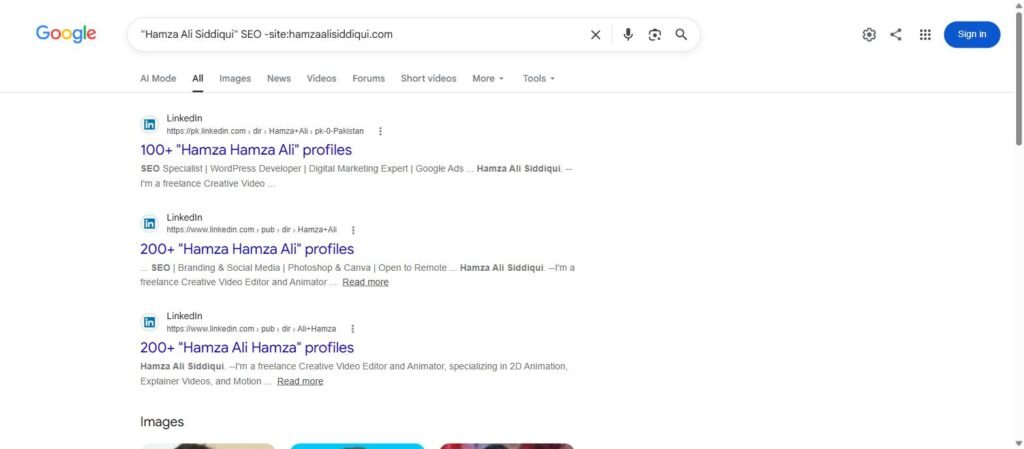
Search for your brand name in quotes and exclude your own domain: “Your Brand” -site:yourdomain.com. Do the same for common misspellings, your product names and your founder’s name. Add -site: exclusions for your own social profiles so they do not clutter the results. Set the time filter to the past month to keep the list fresh, and open every result that looks like an article rather than a directory or a social post.
A reclaimed mention is really one of the easiest editorial links you can get, because the writer already decided you were worth writing about. You are only asking them to finish the citation.
Those same searches are part of the wider routine I use to check backlinks manually every month, alongside Search Console and Bing.
2. Use a mention-monitoring tool
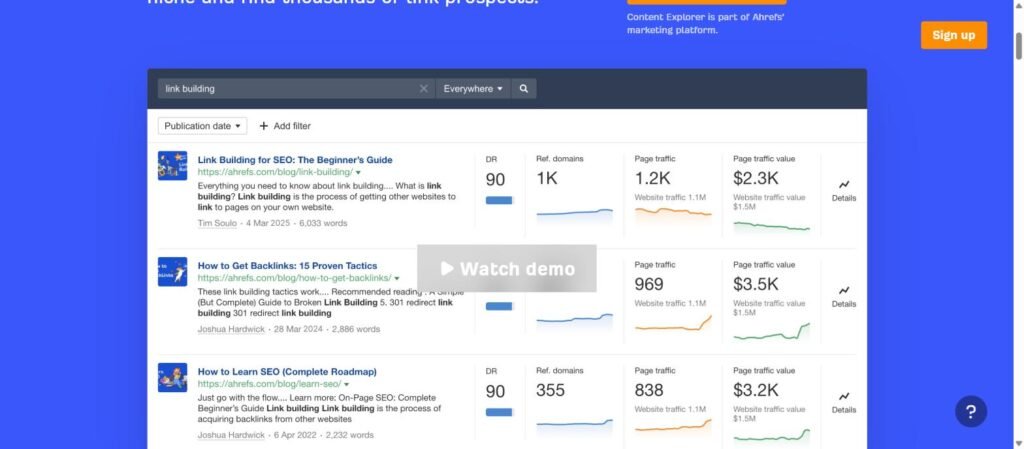
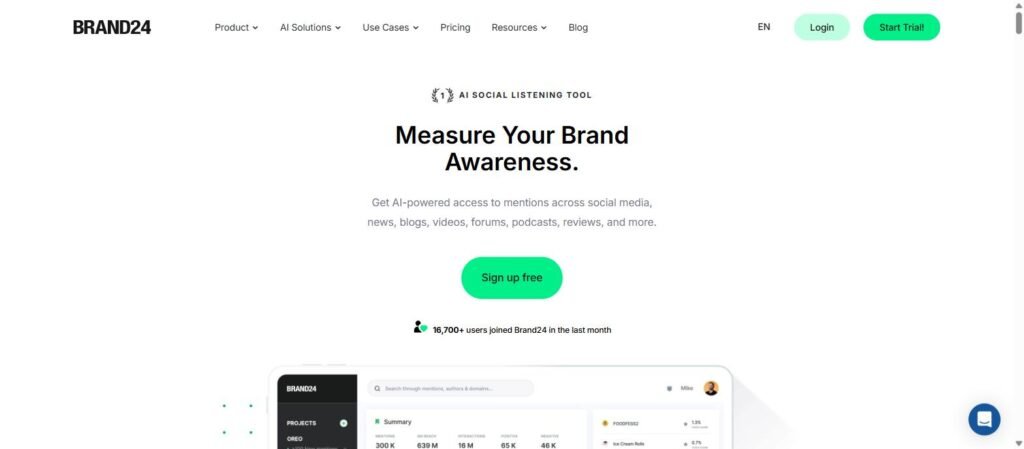
Google Alerts is free and good enough to start: create alerts for your brand, product names and founder’s name, delivered weekly. When you are ready to go further, Ahrefs Content Explorer with the “highlight unlinked domains” filter, Semrush Brand Monitoring, Brand24 or Mention will surface far more results, and Ahrefs in particular will tell you instantly which mentioning pages do not already link to you.
3. Check the page actually links to you
Open each candidate page and search the source (Ctrl+F for your domain) rather than trusting the tool. Mentions inside images, embedded tweets or JavaScript widgets are often reported as unlinked when they are not, and vice versa. Keep a simple spreadsheet: URL, the exact sentence where you are mentioned, the author, the date, and a status column.
4. Qualify before you email
Not every mention deserves an email. Skip pages with no organic traffic, scraped or auto-generated content, sites in unrelated niches, and anything that looks like a link farm. Prioritise mentions on pages that already rank, on domains your customers actually read, and in paragraphs where a link would genuinely help the reader. A quick look at the domain in Ahrefs or Semrush is enough; my guide on how to check SEO backlinks covers what to look for.
How to ask for the link (the email that works)
The whole email should take the editor less than a minute to read and less than a minute to act on. Thank them for the mention, quote the exact sentence, give the exact URL you would like linked, and explain in one line why the link helps their readers, for example because it takes them to the specific tool, study or page being discussed. Never ask for a keyword anchor. The brand name they already wrote is the perfect anchor, and asking for anything else turns a friendly request into a link-building negotiation.
Send it to the author of the article first, and to the editor only if the author does not reply within a week. Follow up once, politely, after seven days. If there is still no reply, move on. Around a third of people will add the link within a day or two, and that is a better return than any other outreach I run.
Beyond your brand name: other mentions worth reclaiming
- Your original data or research being cited without a link to the source page.
- Your images, infographics or screenshots reused without attribution. A reverse image search finds these quickly.
- Your name as an expert in interviews, roundups or podcasts that link to your LinkedIn but not your site.
- Old links pointing at pages that no longer exist on your own site. These are not unlinked mentions, but the fix is the same email, and my off-page SEO guide covers the broken link version in detail.
Make it a monthly habit
Block thirty minutes on the first Monday of every month. Check your alerts, run the search operators with the past-month filter, add new mentions to the spreadsheet, send the emails, and follow up on last month’s. That half hour will typically produce two to five genuinely relevant links a month for an established brand, which is more than most paid link insertion budgets deliver.
Frequently asked questions about unlinked brand mentions
Do unlinked mentions help SEO on their own?
Google has said that brand mentions can contribute to how it understands an entity, but a mention without a link does not pass authority the way a backlink does. Treat the mention as a signal that a link is available, not as a substitute for one.
What anchor text should I ask for?
Your brand name, which is what they already wrote. It is the most natural anchor possible and keeps your profile safe. Never ask a stranger to change their wording to fit your keyword.
How many unlinked mentions should a small business expect to find?
It depends entirely on how often you get talked about. A local business might find two or three a month; a SaaS product with some press coverage might find twenty. Even a handful a month adds up to a meaningful link profile over a year.
Is it worth paying for a monitoring tool?
Start free with Google Alerts and search operators. Move to a paid tool once you are finding more mentions than you can process manually, or once you need the unlinked filter to save time.
Should I ask for the link on social media instead of email?
Email works best because the person can act on it in the same window. A friendly public reply on X or LinkedIn thanking them for the mention, followed by a DM with the request, is a good second option when you cannot find an email.
Next step
Run the search operator for your brand name right now with the past-year filter, open the first twenty results, and count how many mention you without linking. That number is your quickest link building win of the year. If you would rather have mention monitoring, outreach and the rest of your link building handled for you, take a look at my SEO services or get in touch.